

The Relationship Between Domain Authority and Organic Traffic Growth in Technology Industries
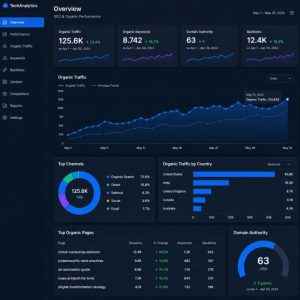 Whether a business operates in software development, cloud computing, cybersecurity, artificial intelligence, or SaaS, visibility in search engines can drive consistent website traffic, generate leads, and support long-term growth. Among the many factors discussed in search engine optimization (SEO), Domain Authority has become a commonly used metric for evaluating a website’s competitive strength. Tools such as Moz DA Checker allow businesses to assess their Domain Authority and better understand how their website compares with competitors in search performance.
Although Domain Authority is not an official Google ranking factor, many technology marketers monitor it closely because of its connection to backlink quality, website credibility, and search performance. Understanding the relationship between Domain Authority and organic traffic growth can help technology companies build more effective SEO strategies and achieve sustainable results.
Understanding Domain Authority
Several factors contribute to Domain Authority, including:
- The number of referring domains
- The quality of inbound backlinks
- Link diversity
- Overall website trustworthiness
- The strength of the site’s backlink profile
A newly launched technology website may have a Domain Authority below 10, while established technology publishers and software companies may have scores exceeding 70 or 80. It is important to remember that Google does not directly use Domain Authority when ranking websites. However, many factors that influence DA also align with Google’s evaluation of authority and trust.
Why Organic Traffic Matters in Technology Industries
Technology industries are highly competitive online. Companies often compete for valuable keywords related to software solutions, technical services, industry trends, and product comparisons. Organic traffic offers several advantages:
- Lower customer acquisition costs
- Consistent lead generation
- Increased brand visibility
- Greater credibility with potential customers
- Long-term marketing value
Unlike paid advertising campaigns, organic search traffic can continue generating results long after content is published. This makes SEO a critical component of digital marketing strategies for technology businesses. As websites gain authority and visibility, they often experience growth in organic traffic across multiple keyword categories.
The Link Between Domain Authority and Search Rankings
One reason Domain Authority is frequently associated with organic traffic growth is its relationship with search rankings. Websites with stronger authority signals are more likely to rank for competitive search terms. This occurs because authority is often built through high-quality backlinks from trusted, relevant websites.
For example, if a cybersecurity company receives backlinks from respected industry publications, technology blogs, and research organizations, search engines may view the website as a more credible source of information. As authority increases, the website may begin ranking for more competitive keywords, thereby increasing organic traffic. While higher Domain Authority does not automatically guarantee better rankings, websites with strong authority often enjoy a competitive advantage in crowded search environments.
Backlinks as a Driver of Both Authority and Traffic
Backlinks play a central role in the relationship between Domain Authority and organic traffic growth. When reputable websites link to a technology company’s content, several benefits can occur simultaneously:
- Domain Authority may improve over time.
- Search engine trust can increase.
- Referral traffic may grow.
- Content visibility expands.
- Ranking opportunities improve.
Technology websites that consistently earn backlinks from authoritative sources often experience stronger organic growth than competitors that rely solely on content creation without link-building efforts. For example, a cloud computing company that publishes original research may attract citations from industry analysts, news outlets, and technology publications. These links strengthen authority while also helping content reach wider audiences.
Authority Helps New Content Perform Faster
One advantage of a strong Domain Authority is the ability to support the performance of newly published content. Technology companies frequently create content covering product updates, industry developments, technical guides, and emerging trends. Websites with established authority often see these pages indexed and ranked more quickly than websites with limited authority. This effect can accelerate organic traffic growth because each new piece of content starts with a stronger foundation.
Content Quality Remains Essential
Technology audiences expect content that is:
- Accurate
- Detailed
- Current
- Helpful
- Expertly written
A website with a high Domain Authority may still struggle to maintain rankings if its content fails to meet user expectations. Similarly, smaller technology websites can achieve significant organic traffic growth by producing exceptional content that satisfies search intent and addresses specific user needs. The strongest SEO results typically occur when high-quality content is combined with a strong authority profile.
Publishing Original Research
Industry studies, surveys, benchmark reports, and data-driven insights often attract backlinks from journalists, bloggers, and industry professionals.
Creating Comprehensive Resources
In-depth guides, tutorials, and technical documentation can establish expertise and encourage other websites to reference the content.
Earning Industry Mentions
Participating in industry discussions, contributing expert opinions, and building relationships with publishers can generate valuable backlinks.
Strengthening Internal Linking
A well-organized content structure helps distribute authority throughout a website and improves user navigation.
Maintaining Content Freshness
Updating older articles with current information can preserve rankings and continue attracting traffic over time.
These activities help build both authority and long-term organic visibility.
Measuring Success Beyond Domain Authority
While Domain Authority can be a useful benchmark, technology companies should avoid treating it as the ultimate measure of SEO success. More meaningful performance indicators include:
- Organic traffic growth
- Keyword rankings
- Lead generation
- Conversion rates
- Backlink quality
- User engagement metrics
A website with a moderate Domain Authority can still outperform competitors if it targets the right audience and provides superior content. Domain Authority should be viewed as one piece of a broader SEO strategy rather than the primary objective.
Conclusion
The relationship between Domain Authority and organic traffic growth in technology industries is closely connected through backlinks, credibility, and search visibility. While Domain Authority itself is not a direct ranking factor, the elements that contribute to a strong score often support improved search performance and increased organic traffic.
Technology companies that focus on creating valuable content, earning authoritative backlinks, and building industry trust are more likely to strengthen their online presence over time. Rather than chasing a specific Domain Authority score, businesses should focus on building genuine authority in their niche. As credibility grows, stronger rankings and sustainable organic traffic growth often follow.
 TikTok has quickly transformed from a fun lip-syncing app to a