

How to Find Reliable Multiplayer Gaming Servers: 7 Factors Worth Checking
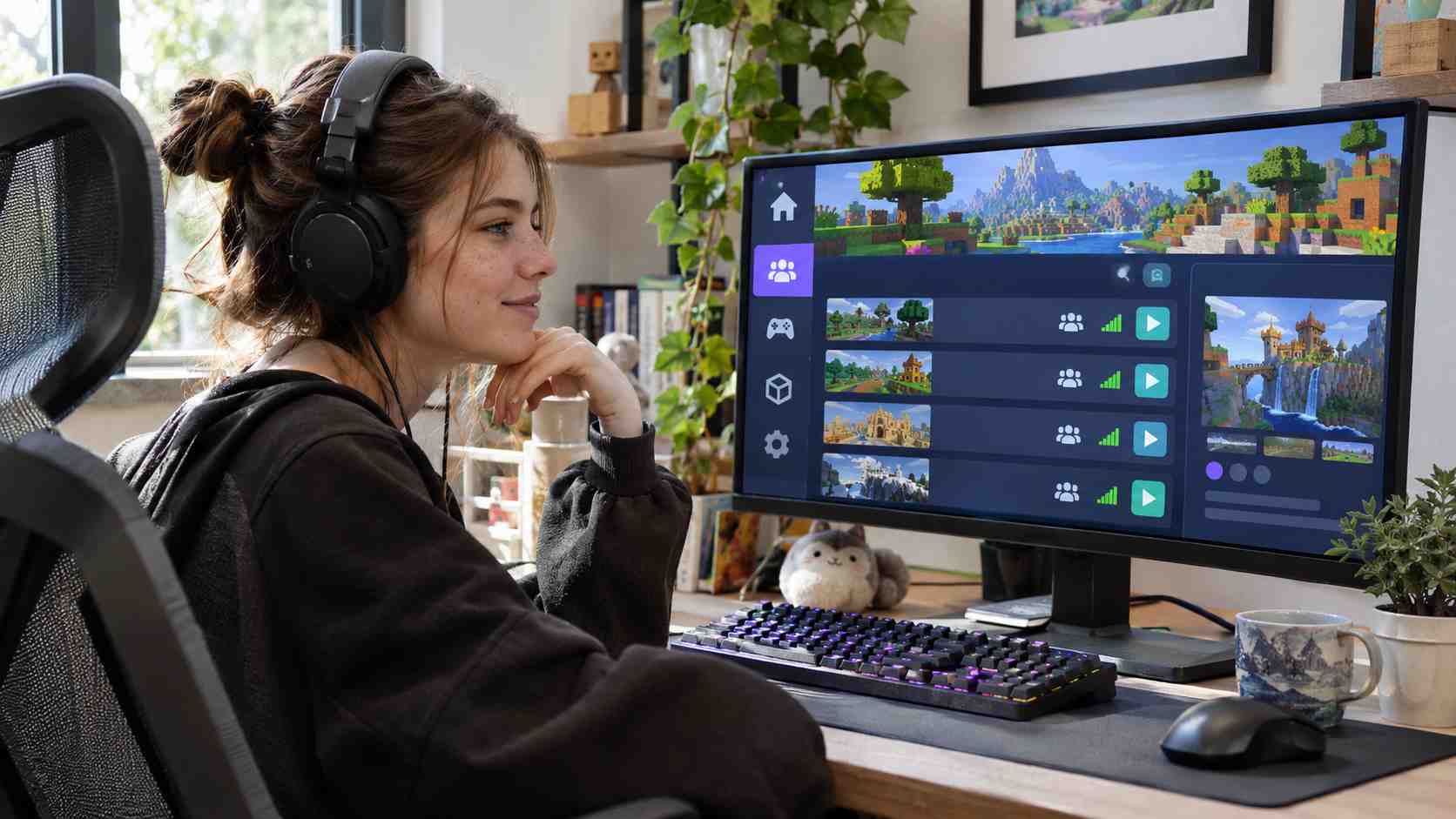
Multiplayer gaming depends on online servers that allow players from different locations to interact in shared virtual environments. These servers handle player connections, coordinate game activities, and maintain shared worlds. However, finding a reliable server is not always straightforward. Connection failures, outdated game versions, overcrowded environments, and inconsistent performance can quickly affect the experience.
Players often face hundreds of available options without knowing which ones meet their needs. A Minecraft server list can help organize the search by displaying available communities, gameplay categories, and technical details. Still, choosing a suitable server requires looking beyond rankings and popularity. Understanding several important factors can help players avoid common problems.
Why Choosing a Multiplayer Server Can Be Difficult
Server descriptions rarely tell the complete story. Some communities advertise exciting features but provide limited information about connection stability, administrator activity, or technical requirements. Others may appear popular while experiencing frequent interruptions or overcrowding.
Different players also have different expectations. Someone interested in cooperative building may prefer a smaller community, while competitive players might prioritize fast connections and active participation. The challenge is identifying servers that match these preferences while providing dependable technical performance.
7 Factors to Check Before Joining a Multiplayer Server
1. Server Uptime and Connection Reliability
Uptime measures how consistently a server remains accessible. Frequent outages can interrupt gameplay, disconnect participants, and potentially affect progress that has not been saved.
Start by checking whether the server publishes availability statistics or maintenance records. Look for recent reports of unexpected shutdowns. Community discussions may reveal recurring connection issues.
A practical approach is to test access at different times. A server that works during quiet periods may behave differently when more players connect. Reliable operation matters more than an impressive advertised uptime percentage without supporting evidence.
2. Network Latency and Geographical Proximity
Latency describes the delay between sending information and receiving a response. High latency can produce delayed movements, slow interactions, and noticeable gameplay interruptions.
Research from Cloudflare explains that physical distance and network infrastructure contribute to communication delays. Servers located closer to players often provide lower latency, although network routing and congestion also influence performance.
Check the server’s hosting region when available. Compare connection response times using appropriate network tools or in-game indicators. Testing during normal playing hours provides a more realistic picture than relying on location alone.
3. Compatibility With Game Versions and Platforms
Technical compatibility is essential because multiplayer servers may support specific game releases, operating systems, or editions. Attempting to connect with an unsupported version can result in errors or unavailable features.
Microsoft Learn documents important differences between Minecraft Java Edition and Bedrock Edition. These editions use different technical systems, meaning ordinary servers cannot automatically support players from both without additional compatibility software.
Before connecting, verify the following:
- The required game version and supported edition.
- Whether cross-platform connections are available.
- Any necessary modifications, plugins, or resource packs.
- Whether recent game updates affect compatibility.
Checking these requirements first can prevent unnecessary troubleshooting and repeated installation changes.
4. Active Player Population and Server Capacity
Player population influences how a multiplayer environment feels and performs. Large communities may offer frequent interactions, while smaller groups can provide quieter and more familiar surroundings.
However, popularity does not automatically indicate reliability. Servers operating near their capacity may experience queues or performance problems if their resources cannot accommodate demand.
Compare current player counts with advertised capacity. Visit during different periods to observe activity. Consider whether the community provides enough participants for your preferred activities without creating unnecessary congestion.
5. Available Gameplay Modes and Customization Options
Multiplayer communities frequently modify standard gameplay through different modes, rules, and additional features. These choices strongly influence what participants can expect after joining.
Common options include:
- Survival environments focused on resource gathering and exploration.
- Creative worlds designed for collaborative construction.
- Player-versus-player modes emphasizing competition.
- Role-playing communities with structured activities.
- Custom minigames and modified gameplay systems.
Read descriptions carefully and identify any required downloads. Some modifications change progression, equipment, or interaction rules substantially. Choosing a server that matches your preferred activities reduces the likelihood of disappointment.
6. Security Measures, Moderation, and Community Rules
Technical performance means little when players regularly encounter harassment, cheating, or unsafe interactions. Community management therefore deserves the same attention as connection quality.
Understanding the role of communication technology in video gaming also helps explain how voice chat, messaging systems, and other digital tools influence teamwork, player interaction, and the overall multiplayer experience.
Mojang Studios outlines expectations for respectful conduct through Minecraft’s Community Standards. The official Minecraft Help resources also explain that moderation on privately operated servers is controlled by their owners.
Before joining, examine published rules, reporting procedures, and moderator availability. Avoid communities requesting account passwords or unnecessary personal information.
Observe how administrators respond to disputes. Clear policies and consistent enforcement provide stronger evidence of responsible management than welcoming descriptions alone.
7. Server Maintenance, Updates, and Administrator Support
Servers require ongoing maintenance to address software problems, improve stability, and maintain compatibility with game updates. Neglected systems may eventually become unreliable or vulnerable to known issues.
Technical documentation from PaperMC recommends keeping server software updated and maintaining backups before making significant changes. Its guidance highlights the importance of preparing for plugin problems and unexpected complications.
Look for maintenance announcements, administrator responses, and information about recent updates. Active support channels can help determine whether technical problems are investigated promptly.
Regular maintenance may involve occasional downtime, but transparent scheduling helps players plan around interruptions.
How Online Server Directories Make Research Easier
Searching for servers individually can become time-consuming, especially when comparing technical requirements and gameplay preferences. Online directories simplify discovery by gathering information into searchable categories.
For example, minecraft.menu organizes listings by gameplay type, supported version, and Java or Bedrock edition. Its listings also provide information such as server addresses and player activity where available.
These features allow users to narrow their choices before attempting connections. However, directory information may change, and rankings do not guarantee stability, security, or effective moderation.
A sensible approach is to shortlist several candidates, verify their technical details, review community guidelines, and test connections personally. This combines directory research with practical evaluation.
Conclusion: Reliability Matters More Than Rankings
Finding a suitable multiplayer gaming server involves balancing connection performance, technical compatibility, gameplay preferences, and community management. High player counts and prominent rankings may attract attention, but they cannot replace careful evaluation.
By examining these seven factors and testing promising options, players can make better-informed decisions. As multiplayer technology evolves, understanding server reliability and responsible administration will remain valuable for creating enjoyable online experiences.